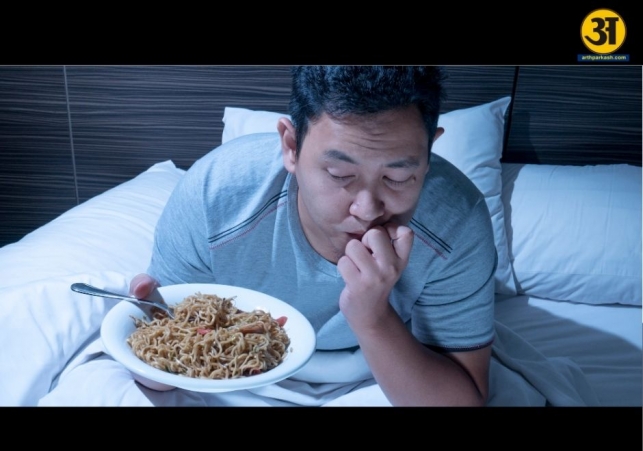
Why your ideal dinner time may differ from others
The best time to have your last meal before sleep depends on your body and habits
Many of us can avoid junk food during the day but give in to late-night cravings. That last plate of street food or leftover pizza at 11 pm can be hard to resist. But experts say the timing of your last meal really matters — for digestion, sleep, and even long-term health.
The usual advice is to finish eating 2–3 hours before bedtime. This gives your body enough time to digest food before you lie down. But a new study shows that the perfect meal cut-off time is not the same for everyone. It depends on your lifestyle, activity level, and health needs.
Why late-night eating has a bad reputation
In the past, research linked eating heavy meals late at night to problems like weight gain, high blood sugar, and insulin resistance. People who work night shifts or have irregular schedules are at even higher risk.
When you eat a large dinner and sleep soon after, your body has little time to process the food. Digestion slows, and your blood sugar can spike. Over time, this can put stress on your metabolism and lead to health issues.
That’s why many health experts have warned against late-night eating for years.
The new view: late-night eating can be okay in the right way
The new study, published in the journal Nutrients, says the story is not so simple. Not all night-time eating is bad. In fact, small and healthy snacks before bed can sometimes be good for you — but only in the right situations.
For active people:
If you exercise regularly, a light, protein-rich snack at night — such as Greek yoghurt, a protein shake, or casein — can help your muscles recover. It can also improve your metabolism while you sleep, and even increase the calories your body burns at rest.
For people with certain health conditions:
If you have medical needs like Type 1 diabetes or glycogen storage disease, eating a small snack before bed can keep your blood sugar stable during the night. Examples include raw cornstarch mixed with milk or a protein-based drink.
When it’s not ideal:
For people who are overweight or inactive, even small late-night snacks can temporarily make insulin resistance worse. However, the study also found that with regular exercise, these effects can disappear over time — and overall heart health and body composition can improve.
Tips for eating smart at night
-
Avoid heavy dinners close to bedtime – Skip fried, oily, and high-sugar meals late in the evening.
-
If you snack, keep it light and healthy – Aim for 150–200 calories of nutrient-rich food like yoghurt, nuts, or fruit with protein.
-
Stay active during the day – Exercise helps your body handle food better, even if you eat later.
-
Listen to your body – If you’re not hungry, skip the snack and have water instead.
-
Think about your sleep quality – Some foods can disrupt sleep; avoid too much caffeine, sugar, or spicy food late at night.
There’s no single “right” time for everyone
This study makes one thing clear — eating before bed isn’t a one-size-fits-all rule. The effects depend on who you are, how active you are, and what you’re eating.
If you live an active lifestyle and need the extra calories, a healthy night snack might help. But if you’re trying to lose weight or have trouble controlling blood sugar, finishing your last meal a few hours before bed is still the safer choice.
In my view, the best approach is personalised eating. Instead of following a rigid rule, observe how your body reacts. If eating close to bedtime gives you indigestion or poor sleep, stop earlier. If a small snack helps you sleep better and keeps you from waking up hungry, make it a healthy one.
ALSO READ: Significance of IAF downing an ELINT, AEW&C aircraft in Operation Sindoor
ALSO READ: India’s strategic options to counter Trump’s tariff pressure
Ultimately, food should support both your health and your daily routine. Lord Krishna said in the Bhagavad Gita that balance is key — and that applies to our eating habits too. The timing of your meals should fit your lifestyle, not just the clock.
So the next time you feel tempted by late-night chaat or ice cream, ask yourself: Is this helping my body rest, or making it work harder while I sleep? Your answer will guide you better than any general rule.
Related News